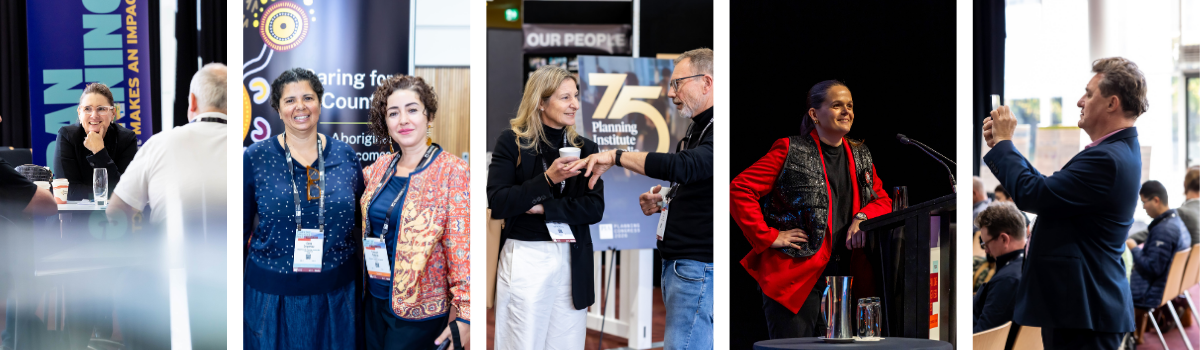
By morning tea on day two of Planning Congress 2026, one thing had become clear: this Congress was not interested in surface-level conversations.
Across packed sessions in Canberra, delegates grappled with housing affordability, planning reform, climate resilience, infrastructure, planning with Country and the changing role of planners in shaping Australia’s future.
What emerged was a profession under pressure, but also one increasingly central to some of the country’s biggest challenges.
Following the opening First Stories, First yarn, PIA CEO Matt Collins set the tone for the day, challenging delegates to think about the profession into the future:
“What kind of profession do we need to be for the future?”
That question became a thread running through the Congress opening day.
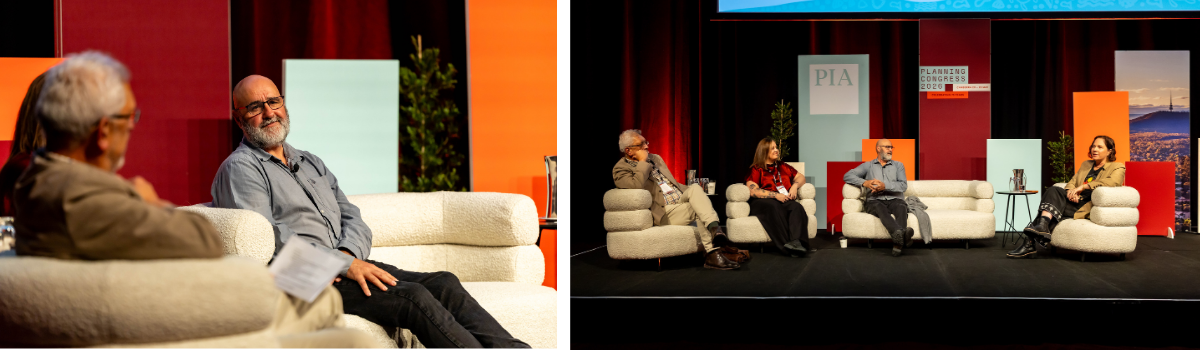
Are our planning systems fit for the future?
Housing sat at the centre of almost every major discussion on Thursday.
Not simply how Australia builds more homes, but whether current planning systems are genuinely equipped to respond to the scale and complexity of the housing crisis.
Across multiple sessions, speakers argued the challenge cannot be solved through faster approvals alone. Discussions focused on the need for planning systems that are more strategic, integrated and capable of responding to interconnected pressures around infrastructure, climate resilience, productivity and liveability.
Matt Collins challenged delegates directly:
“Are our planning systems equipped for the future challenges ahead? And if not, how do we lead the change needed to improve them?”
Federal Housing and Cities Minister Clare O’Neil MP reinforced the growing importance of planning in national policy conversations.
“What I learnt very quickly is how central planning is to allowing us to live a good life as Australians. How we use land, we think about what goes where, and how everything pieces together, is so important.”
Ben Rimmer from Federal Treasury outlined the Commonwealth’s focus on faster approvals, nationally consistent construction standards and more land ready to accommodate housing.
"Planners should be treating the housing crisis with genuine urgency. We need to orientate all our efforts towards solving the crisis, in a way which truly optimises outcomes for communities."
Throughout the sessions, speakers pointed to the direct links between housing supply, infrastructure coordination, financing, taxation, construction productivity and government collaboration. Workshop sessions on development feasibility also highlighted the practical realities of delivering affordable housing at scale, reinforcing the growing need for planners to understand the economics shaping housing delivery.
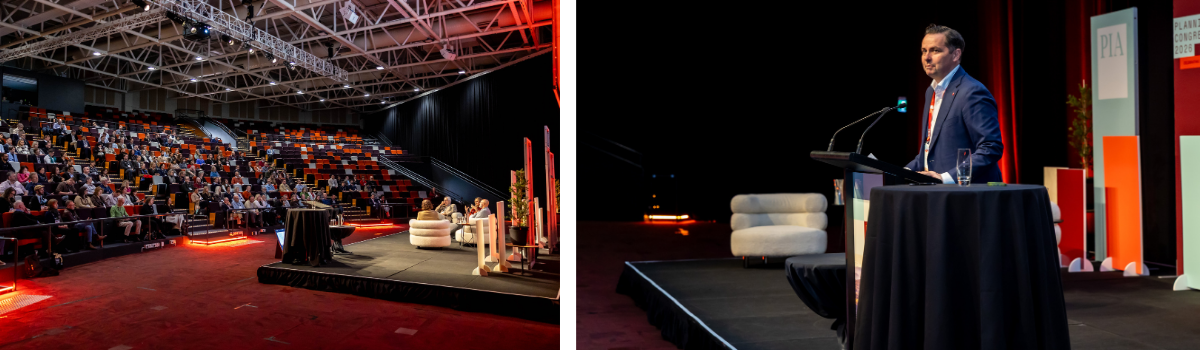
The truth behind Auckland’s housing transformation
One of the standout sessions of the day explored Auckland’s transformation over the past three decades and what Australia could learn from it.
John Duguid from Auckland Council shared lessons from the city’s growth and the strategic planning led reforms that enabled significant urban consolidation and housing development.
A key message from the session was that Auckland’s transformation did not happen accidentally. The upzoning was enabled by strong and collaborative strategic planning, strong design requirements and bold leadership with vision.
John pointed to local government amalgamation, integrated strategic planning and long-term vision as critical ingredients in delivering change.
The session also challenged simplistic assumptions about housing reform, reinforcing that bold planning change still requires strong community engagement, deep place-based strategic planning, and political alignment.
The discussion landed strongly with delegates as Australia continues debating how to deliver more housing while maintaining liveability and public trust.
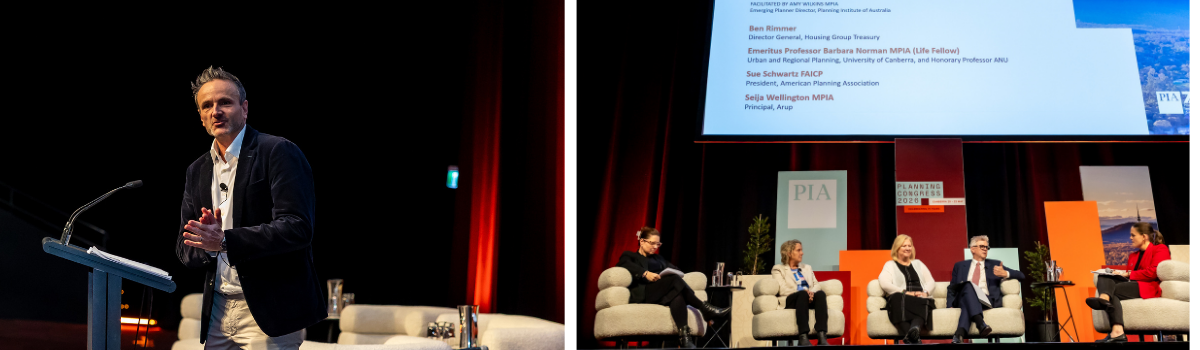
Planning, power and Country
Some of the most powerful moments of the day came through discussions on planning with Country and First Nations leadership.
Emeritus Professor Hirini Matunga reminded delegates that planning in Australia has a much deeper history than western planning systems alone.
“Planning in Australia has a dual heritage - one grounded in Country going back over 60,000 years, and another grounded in planning over the past 200 years.”
Sessions challenged planners to think differently about how Indigenous knowledge and Country-centred planning can shape future planning systems.
Racquel Kerr from GHD also reinforced the importance of truth-telling in planning conversations.
“Remember that truth telling isn’t a target on you. It’s a recognition of what has happened. And we need to do that, in order to move forward.”
Throughout the discussions was a strong focus on creating genuine partnerships and stronger “knowledge bridges” between Indigenous and western planning systems.
Planning under pressure
Another strong theme throughout the day was the changing role of planners themselves.
Technology, AI, climate adaptation and shifting community expectations all emerged as major themes, alongside growing pressure on planners to respond to rapid change while maintaining long-term thinking.
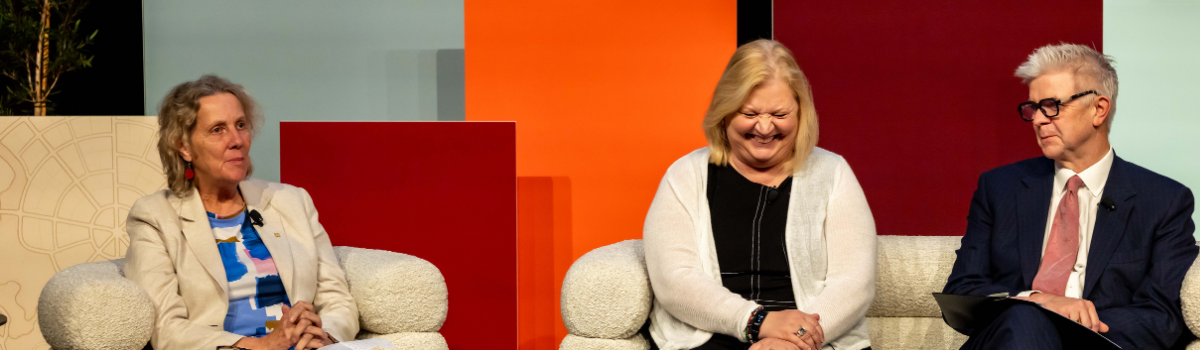
Sue Schwartz, President of the American Planning Association, reflected candidly on the uncertainty currently being experienced across the profession internationally.
“Our profession was built to take on the most wicked problems.”
Emeritus Professor Barbara Norman also encouraged planners to take a more active role in national conversations about growth, resilience and long-term planning.
“Let’s have more honest national conversations. Let’s draw more threads together, and ensure planners are at the centre.”
The recurring message throughout the day was that planners are increasingly being asked to navigate complexity that extends far beyond traditional planning boundaries.
Increasingly, planners are being tasked with helping communities navigate uncertainty and change.
More than a conference conversation
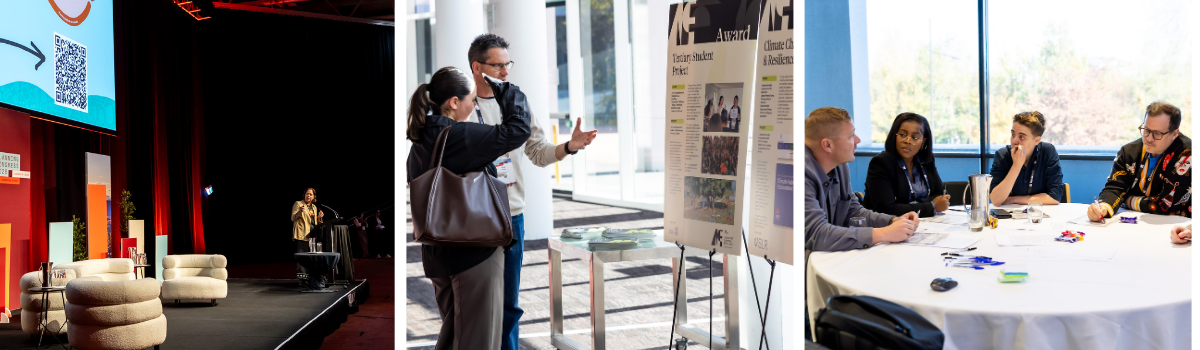
As delegates left the venue after day one, conversations continued long after the sessions had ended.
Groups gathered discussing housing reform, infrastructure delivery, strategic planning and the future role of government.
But perhaps the clearest takeaway from the opening day was this: planning is no longer operating quietly in the background.
Whether the issue is housing affordability, climate resilience, infrastructure or growth, planners are increasingly at the centre of the national conversation. And that’s an opportunity and responsibility that we should all lean into.
As day one made clear, the future challenges facing Australia will demand better planning systems, and planners who are capable of thinking well beyond the short term.